Despite what most people might think or feel, alcohol makes symptoms of depression worse. Many people living with depression drink alcohol to try to Alcoholics Anonymous numb their symptoms. For a short period of time, many of them feel some sort of relief. But after a while, alcohol can make them feel drowsy, lightheaded, nauseated, irritable, and foggy-brained instead, leaving them confused and even more depressed. The lowered inhibitions that are mentioned above can lead a person to make decisions that normally wouldn’t be made. When it’s combined with heightened mood states, displeasing effects can occur.
- However, feeling of anxiety return after intoxication fades, often stronger than before.
- Alcohol abuse can lead to increased feelings of guilt and shame, which can further worsen depression symptoms.
- Approximately 280 million people, that’s 3.8% of the population, experience depression.
- We want to help our clients move on with their lives after a DWI so that they can be healthy, positive members of our communities.
Unfortunately, based on the provided information, we are not able to work with the client at this time.
- Drinking initially activates the brain’s reward system and releases dopamine with a subsequent feel-good, stimulating effect.
- The combined effect of sunshine and exercise can release endorphins, improving depression symptoms further.
- For instance, treating depression without tackling alcohol abuse increases the risk of relapse, while focusing only on substance use may ignore the tools needed to manage depression.
- Treatment typically involves a combination of psychotherapy and medication, as well as lifestyle changes.
- Prioritizing mental health is not just important—it’s essential for lasting wellness and a better quality of life.
We also work closely with families to rebuild trust and strengthen relationships, creating a supportive environment for lasting success. On the other hand, excessive consumption can trigger or worsen these episodes. That creates a cycle that is difficult to break without professional help. Excess white matter means greater connectivity between neurons and can make the brain extra sensitive to external stimuli. Unfortunately, it’s a tough cycle to break as stress begets the development of more white matter and continues to disrupt the brain’s timing and ability to communicate with itself.
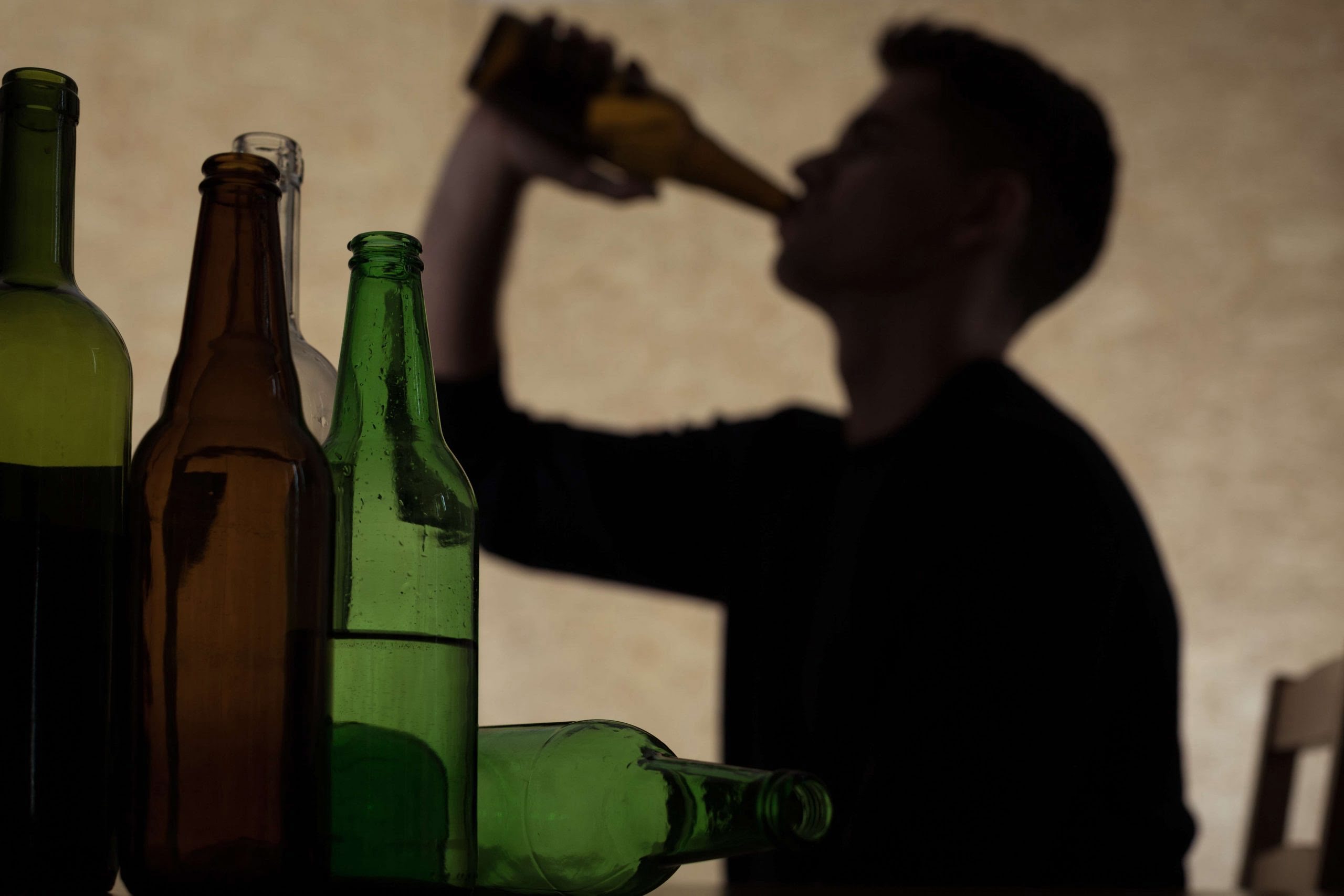
Does alcohol change brain chemistry to cause depression?
The next time the hangover comes around, it’ll likely be worse than it is right now. Like we just mentioned, the only way to get over your hangover is does alcohol make depression worse to give yourself time. You don’t have to push yourself as hard as usual unless you want to; the point is just to get up and move your body in any way that feels right. In addition to the physical benefits, getting a workout often gives people a sense of productivity and accomplishment.
- Some people may experience a temporary uplift in mood or sense of happiness when drinking alcohol.
- In small to moderate amounts, alcohol can temporarily lift your spirits and help improve your mood.
- Poor sleep takes a toll on mental health, increasing irritability, clouding judgment, and leaving less energy to cope with daily stress.
What to Know About Alcohol and Mental Health
Alcohol may help you fall asleep more quickly, but it can rob you of a good night’s rest by disrupting your sleep cycle. Poor sleep can increase the likelihood you’ll experience hangover depression. The more you drink, the more alcohol slows the transmission of brain signals. Another way to say this is that the more you drink, the more depressed your body’s normal functioning becomes. Detox is generally the first step in an individual’s recovery process and it’s followed by the person’s entry into a formal drug rehabilitation program. With detox, the person can comfortably and safely withdraw from alcohol.
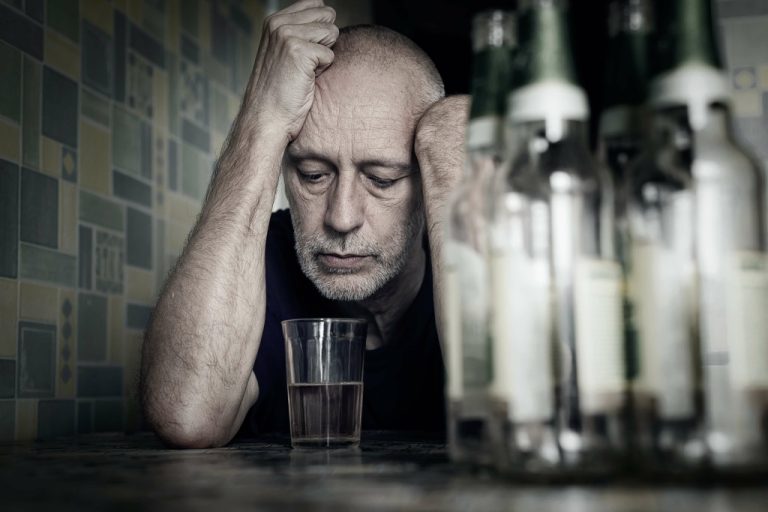
If you or someone you love is struggling with alcohol and depression, help is available. Enlightened Recovery centers in New Jersey offer compassionate, comprehensive programs designed to address dual diagnosis conditions. By choosing our professional care, individuals gain access to detox, therapy, and holistic healing under expert supervision.